Why Commercial Insect Control Is Different From Residential Pest Control
Commercial insect control focuses on managing pests in large-scale settings, and local service providers have the expertise to handle these specialized needs effectively.
Understanding why commercial insect control is different from residential pest control is essential for property owners managing business spaces, warehouses, or multi-unit buildings. These environments often face unique challenges that require tailored strategies, such as higher foot traffic, larger spaces, and stricter health and safety standards. Property owners in the area who want to effectively address insect issues can explore how specialized commercial services provided by local contractors are designed to meet these specific needs, ensuring a more thorough and appropriate approach than typical residential treatments.
For those considering insect control solutions, it’s important to recognize that commercial pest management involves more than just applying the same methods used in homes. Local service providers understand the differences in building layouts, pest behavior, and regulatory requirements, enabling them to develop customized plans that minimize disruption to daily operations. Continuing to read can help property owners learn how these specialized services are structured to tackle the complexities of commercial environments, offering practical insights into how local pros can help maintain a pest-free space tailored to the demands of business settings.
- Commercial insect control services are needed when businesses face pest issues that require tailored treatment plans and specialized equipment, which local contractors are equipped to provide. When infestations threaten food safety or disrupt operations, local service providers implement comprehensive strategies to address the unique challenges of commercial environments. For properties with large or complex structures, local pros develop customized solutions that differ from residential approaches to ensure effective pest management. When ongoing pest prevention is essential for compliance or reputation, local contractors design maintenance programs suited to commercial needs. In cases where pests could cause significant economic impact, local pros apply targeted techniques that account for the scale and specifics of commercial spaces.
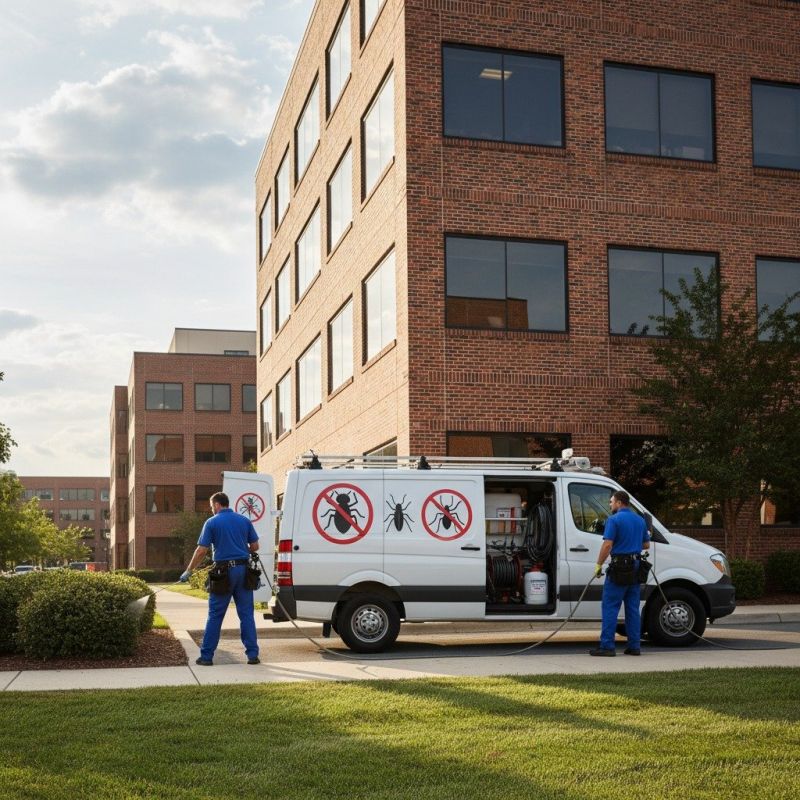
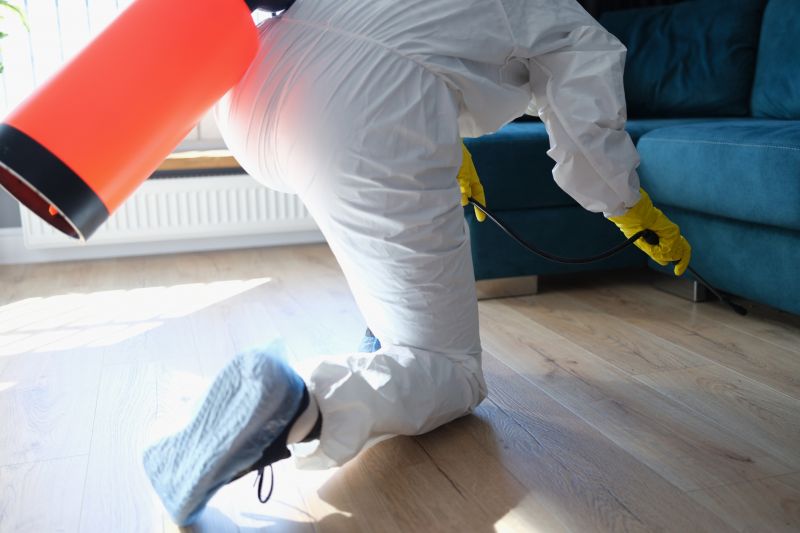

When people search for why commercial insect control is different from residential pest control, they are often trying to understand how pest management strategies vary between business environments and homes. Residential pest control typically focuses on safeguarding individual households from common pests like ants, roaches, or spiders, often with a primary emphasis on safety and convenience. In contrast, commercial insect control involves managing pests in settings that are usually more complex, such as retail stores, restaurants, warehouses, or office buildings. These searches reflect a desire to understand the unique challenges faced by businesses, including the need for more extensive treatments, ongoing monitoring, and compliance with industry regulations that do not usually apply in residential settings.
The problems that lead homeowners or business owners to explore this topic often relate to different types of pest pressures and the plans needed to address them effectively. Residential pest control plans tend to be reactive, focusing on eliminating pests after they appear, with treatments that are safe for families and pets. Commercial insect control, on the other hand, often requires proactive, integrated pest management strategies designed to prevent infestations before they disrupt operations or pose health risks. These plans may include regular inspections, detailed sanitation protocols, and targeted treatments tailored to the specific pests and property type. Understanding these distinctions helps property owners recognize the importance of specialized approaches that are often necessary in commercial environments.
Properties that come up in discussions about commercial insect control are typically larger, more complex, and have different usage patterns compared to residential homes. Examples include restaurants where food safety is critical, warehouses that store goods susceptible to pest damage, and office buildings with high foot traffic. These properties usually have more extensive physical spaces, multiple access points, and environments that support pest populations in ways residential properties do not. Because of these factors, local service providers who specialize in commercial insect control are equipped to handle the unique demands of these settings, offering tailored solutions that prioritize both pest prevention and minimal disruption to daily operations.
Understanding why commercial insect control is different from residential pest control helps property owners make informed decisions when seeking help. Local contractors experienced in commercial pest management are familiar with the specific challenges posed by different property types and can develop customized plans to address them efficiently. These professionals often work closely with property managers and business owners to implement ongoing pest prevention measures, ensuring the environment remains pest-free without interfering with business activities. Recognizing the distinctions between the two types of pest control emphasizes the importance of engaging service providers who understand the unique needs of commercial properties and can deliver effective, targeted solutions.
Food processing plant pest management - local contractors specializing in insect control for food facilities apply similar planning and sanitation techniques to commercial pest services, ensuring compliance and safety.
Warehouse pest prevention - service providers managing pest issues in large storage spaces utilize similar inspection and treatment methods as those used in commercial insect control for high-traffic areas.
Hospital and healthcare facility pest services - professionals working in sensitive environments employ meticulous planning and targeted treatments akin to commercial insect control strategies.
Hospitality industry pest management - local contractors servicing hotels and restaurants use comparable pest prevention techniques to protect guest environments and comply with health standards.
Manufacturing plant pest control - providers working in industrial settings implement similar inspection routines and treatment plans as commercial insect control to prevent infestations.
Educational institution pest services - service providers managing pest issues in schools and universities use planning and treatment methods comparable to those in commercial insect control to ensure safe environments.
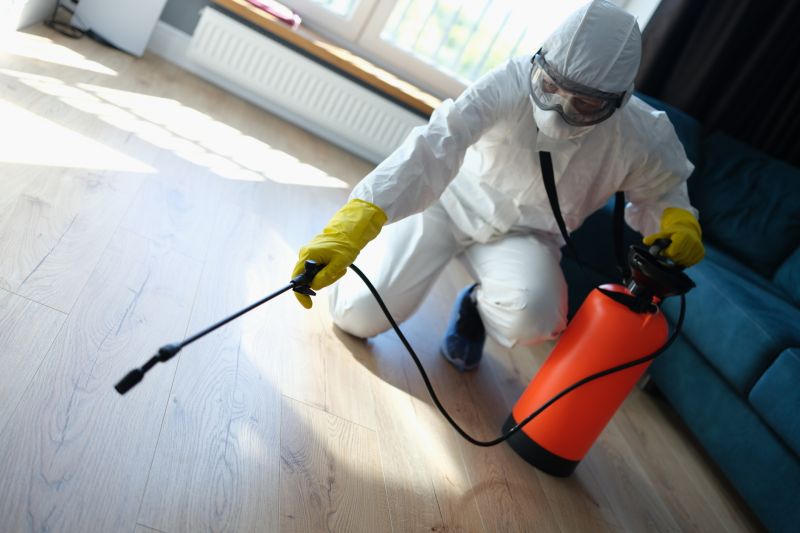
When comparing service providers for commercial insect control, it is important to consider their experience with similar projects. Commercial settings often involve larger-scale infestations and unique environmental factors that differ from residential properties. Service providers with a proven track record in handling commercial insect control are more likely to understand the specific challenges and requirements of these jobs, ensuring effective and efficient solutions. Asking potential contractors about their experience with businesses or facilities similar in size and type can help gauge their familiarity with the complexities involved in commercial insect management.
Clear, written expectations are essential when selecting a contractor for commercial insect control. Because commercial environments often have strict regulations and operational considerations, it’s vital to have a detailed scope of work outlined in writing. This documentation should specify what treatments will be performed, any areas that require special attention, and the desired outcomes. Having these details clearly documented helps prevent misunderstandings and ensures that both parties are aligned on the scope and approach of the project, which is particularly important given the different demands of commercial versus residential insect control.
Reputable references and effective communication are key indicators of a dependable service provider for commercial insect control. Service providers with positive references from other commercial clients demonstrate their ability to deliver consistent results in settings similar to your own. Additionally, good communication throughout the process-such as timely updates, responsiveness to questions, and clarity about procedures-helps ensure that the project proceeds smoothly and that any concerns are addressed promptly. These qualities are especially important in commercial environments, where disruptions can impact daily operations and the overall success of pest management efforts.
Property owners often search for why commercial insect control is different from residential pest control when they are planning practical projects around their homes and businesses. Local pros provide Commercial Insect Control services for everyday jobs and straightforward project options.
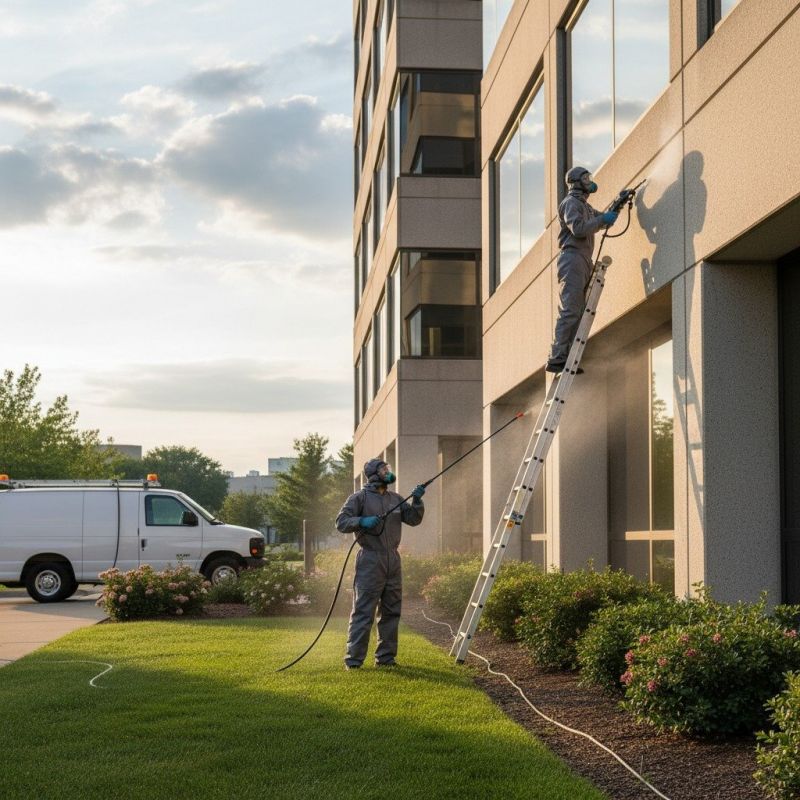
Understanding why commercial insect control is different from residential pest control can help property owners in the area make informed decisions when addressing pest issues. Commercial properties often have larger spaces, higher foot traffic, and more complex layouts, which require specialized strategies to effectively manage insects without disrupting daily operations. Local contractors experienced in commercial insect control are equipped to handle these unique challenges, ensuring that pest management efforts are thorough and tailored to the specific needs of businesses, warehouses, or retail spaces.
Property owners may seek out commercial insect control services when they notice persistent infestations or want to prevent problems before they escalate. Unlike residential pest control, which typically focuses on smaller, single-family homes, commercial projects often involve strict regulations, higher standards for cleanliness, and the need for discreet, efficient treatments. Local service providers understand these differences and can offer solutions that minimize downtime and meet the operational demands of commercial environments, making them a practical choice for businesses looking to maintain pest-free spaces.
How does commercial insect control differ from residential pest control? Commercial insect control services are tailored to meet the specific needs of businesses, often requiring more extensive treatments and ongoing management, whereas residential pest control focuses on individual homes with different pest pressures.
Why do commercial properties need specialized insect control services? Commercial properties typically have larger areas, higher foot traffic, and different pest risks, making specialized services essential to prevent infestations that could disrupt operations or damage reputation.
What types of pests are targeted differently in commercial insect control? Commercial insect control often addresses pests like stored product insects, flies, and rodents that are more common in business environments, which may not be as prevalent in residential settings.
How do treatment approaches vary between commercial and residential insect control? Treatment approaches for commercial insect control involve more comprehensive strategies, including sanitation, exclusion, and targeted treatments, to comply with business regulations and prevent infestations.
What role do local service providers play in commercial insect control? Local contractors provide expertise in managing the unique pest challenges of commercial spaces, offering customized solutions that differ from residential pest control methods.
Understanding pest activity levels - Commercial insect control often involves managing larger pest populations, requiring tailored strategies that local contractors can develop for business environments.
Implementing integrated pest management - Businesses may need comprehensive plans that include sanitation and structural adjustments, which local service providers can help design and execute.
Addressing unique property layouts - Commercial properties often have complex layouts, making it essential for local pros to customize insect control solutions for effective coverage.
Scheduling ongoing treatments - Regular maintenance is crucial for commercial spaces to prevent infestations, and local contractors can establish plans suited to the property's specific needs.
If you are thinking about why commercial insect control is different from residential pest control for a property, this guide is meant to help you understand this topic, the typical project types, and how different options might fit your plans.
When you are ready, you can use the quote form on this page to share a few details about your project. From there, local pros can review the basics and follow up with options that match what you have in mind.